_PNG.png)
Mind-blowing Facts about Neoclassical Art: Famous Neoclassical Artists You Must Know!

Updated: Jan 27
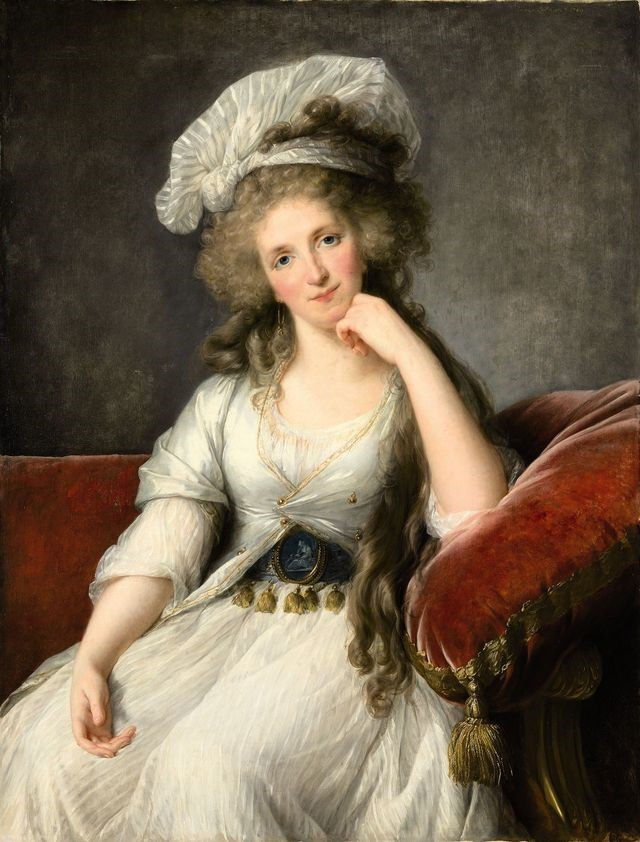
We have discussed how the clash of Romanticism vs Neoclassism inspired masterpieces in our last blog. It’s time we must revisit some uncharted corners of Neoclassicism and find out the craziest and unheard-of facts about the Neoclassical artists. We’ll delve into some of the incredible works that were created during those decades of transformation before the waves of Romanticism took them off the shore.
The extravagant style of Rococo art gave way to artistic styles which were looking for order and reason. Thus, the revival of a classical art-form inspired by Greek and Roman architecture and figurative art emerged as a harbinger of change.
The Neoclassical movement’s focus was to revive the grandeur of antiquity, to introduce moral historical narratives from Greek and Roman mythologies into this form of art, and portray idealized figures with anatomical precision and minimalist palettes.
Celebrated Neoclassical Artists and the Immortal Creations
There were several neoclassical masters in paintings and sculpture whose works not only followed the style of antiquity religiously but induced the spirit of Enlightenment in their marvelous creations. Here we will discuss those remarkable creators and their creations of the period who inspired generations of artistic expressions:

Jacques-Louis David:
The noted French painter was revered as the father of the Neoclassical movement. He revived historical tales and prominent figures like philosopher Socrates or the great Napoleon Bonaparte through his detailed works. The specialty of Jacques-Louis David neoclassical paintings was sculpted figure drawings, complemented by well-defined contours and polished looks. Besides being a painter, he was also a political influencer who shaped the opinions of the French Revolution.
His celebrated works include The Oath of the Horatii, Death of Socrates, Napoleon Crossing the Alps, The Coronation of Napoleon, The Sabine Women and many more such awe-stirring creations in the 18th century.

Antonio Canova:
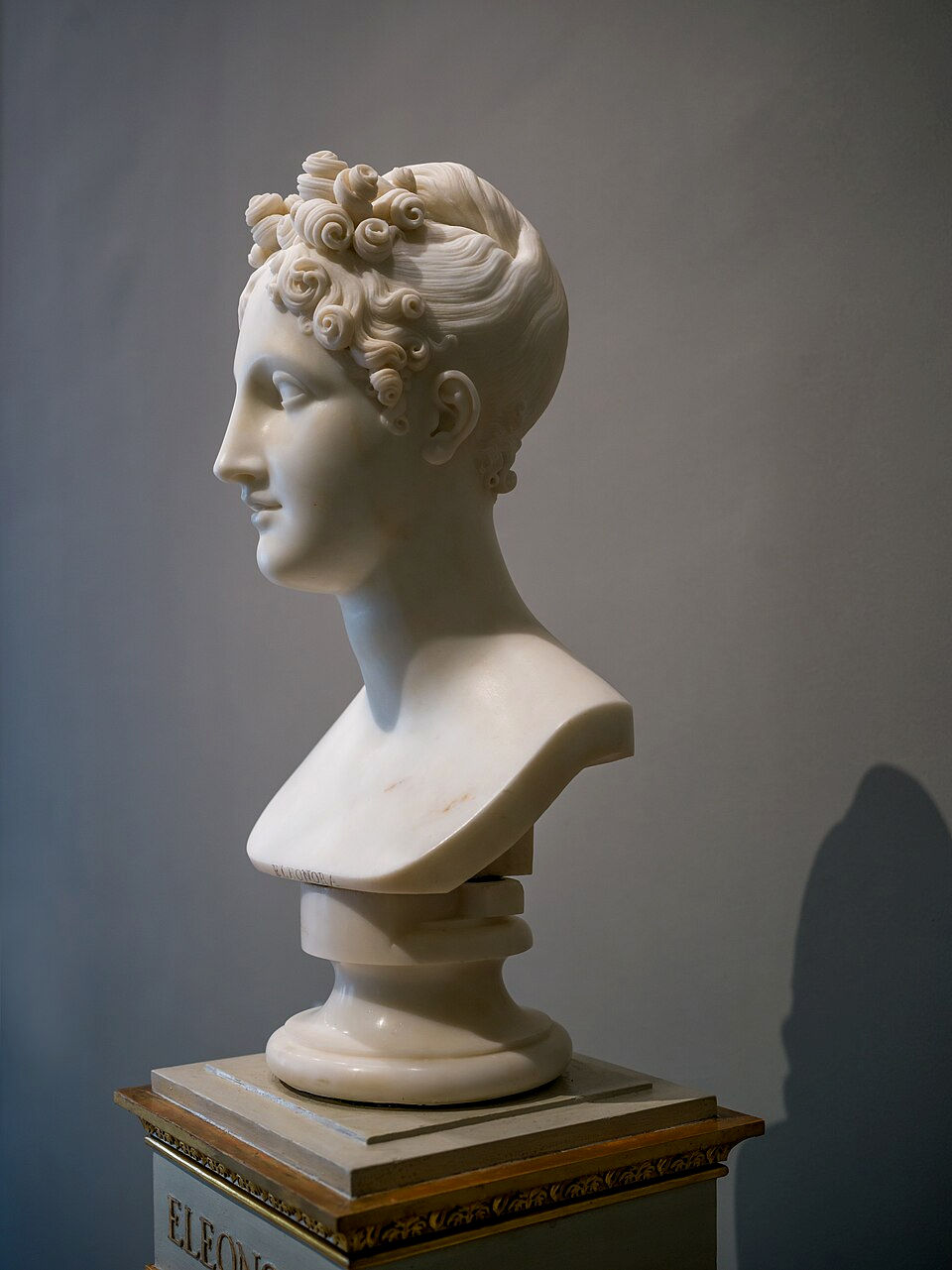
While discussing Neoclassical art at its best, we must include the groundbreaking sculptural marvels created by extremely talented sculptors of 19th century Europe. Antonio Canova, the famous Italian sculptor and architect was such a persona. He was known for his pristine marble works, creating poses with subtle weight distribution techniques like the contrapposto style. The specialty of Canova’s works was textured finesse and polished skin of the figurines that looked divine.
Did you know? His creations were admired to the extent of inviting fierce artsy rivalry from another noted Danish sculptor Bertel Thorvaldsen.
Some astounding sculptures include Perseus with the Head of Medusa, The Three Graces, Psyche Revived by Cupid’s Kiss, Pauline Bonaparte as Venus Victrix or Venus Italica.
Jean-Auguste-Dominique Ingres:
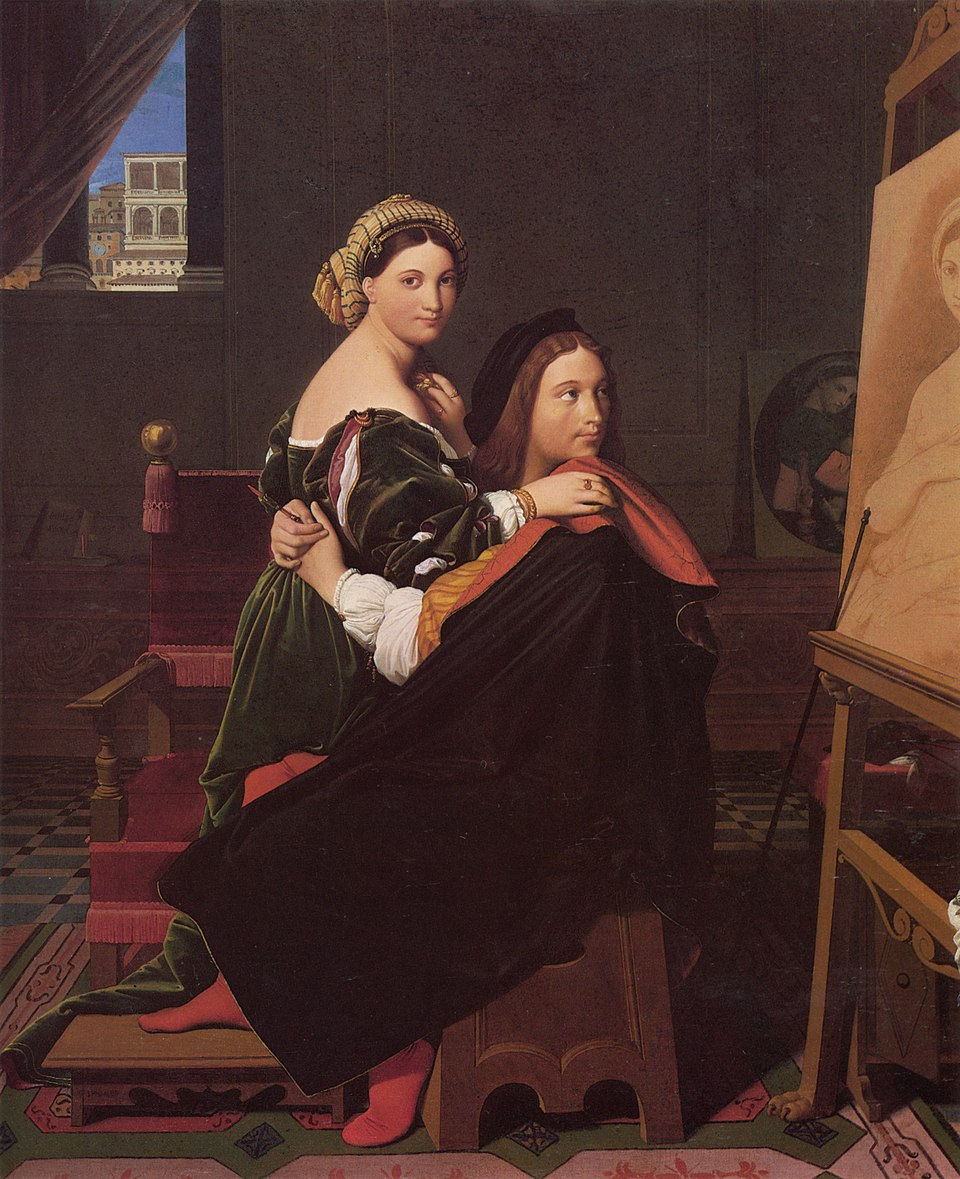
Some of the best neoclassical paintings can be attributed to another pioneer artist of the movement, Jean-Auguste-Dominique Ingres. The French painter was known for his love for precision and intricate line drawing, creating sensuous portraits of elite women like the Comtesse d’Haussonville, the Baronne de Rothschild, the Princesse de Broglie, and others.
He masterfully balanced the emotional elements and anatomical details in his artworks like La Grande Odalisque, where he had painted a harem woman of the East.
Not only did he immortalize women of high-society in his stunning portraits, he did several experimentative studies like La Source and The Turkish Bath, highly adored for their lyrical style and anatomical pattern. He was greatly influenced by his mentor Jacques-Louis David, the pathfinder of Neoclassical painting.
It is interesting to note that Jean-Auguste-Dominique Ingres’s works showed some hints of the approaching Romanticism including sensuality in his portraits unlike the Neoclassical traditionalists.
Élisabeth Vigée Le Brun:
This famous female Neoclassical artist had risen to prominence from a humble background. Her portraits of women, especially of elite class and even queens, still fetch a lot of awe and admiration. Élisabeth was also known for her self-portrait paintings, she used to create portraits blending her own style and of other artists she admired. Prior to the French Revolution, she was invited to the palace of Versailles by Queen Marie Antoinette to do her royal portraits. This proximity brought Élisabeth closer to her Majesty and they became friends. Élisabeth painted her royal portraits in more than 20 different styles and costumes.
Within her innumerable portraits, there are some grand self-portraits and family portraits too. Her artworks include Allégorie de la Poésie, Marie-Antoinette de Lorraine-Habsbourg, reine de, Portrait de Marie Caroline de Naples, Self-portrait at the easel, Portrait of the artist in a straw hat, and many more.

Angelica Kauffman:
A Swiss painter of the 18th century who was mostly known for her historical paintings. She spent considerable time in England and came to be one of the female founding members of the Royal Academy. Some of the Angelica Kauffman neoclassical paintings include Portrait of a Lady, Zeuxis Selecting Models for His Helen of Troy, Cornelia, Mother of the Gracchi, Pointing to her Children as Her Treasures, and Design.

Did you know that many male artists contemporary with Angelica Kauffman were jealous of her fame and superstar stature, and referred to it as ‘dangerous,’ as she was one of the first two female founders of the Royal Academy!
Benjamin West:
He was an American-British painter who revolutionized the Neoclassical art style introducing modern dresses, blending the style of precision with contemporary themes and affairs. He was an American artist who studied in Italy and was associated with the movement from its embryonic stage. Benjamin influenced his contemporary artists and also artists of Romanticism, introducing a new wave of Neoclassical style in America. His famous creations include depictions of historical personalities as in The Death of Nelson, Treaty of Paris, The Death of General Wolfe, or Benjamin Franklin Drawing Electricity from the Sky, and more.

What were the Materials Preferred by the Artists of the Neoclassical Era?
Neoclassical art preferred subdued colors, clear contours, careful use of horizontal and vertical space, and also classical subjects as the themes of their artworks. And to accomplish these goals, the Neoclassical artists, especially the sculptors preferred:
Flawless white marble to add purity and references to ancient statues.
The use of bronze as a sturdy material for public monuments.
Plasters to start with preliminary structures and reproductions of works which were more affordable than marble.
The medium of terracotta for small-sized creations.
Artists of this era polished marble to use it for different purposes, to depict smooth skin, and sometimes creating a textured finish to show costumes or drapes.
The Craziest Truths About Neoclassical Art: How Perfection Became an Obsession

If you think that neo classical artists were obsessed with showing muscles in their figurative works, you are probably right. They strongly believed that even female bodies should have some robust features to show raw emotions. The painters were hugely influenced by the Roman male statues of antiquity with lots of grit and muscle.
Neoclassical painters scouted Rome and studied every ruin and sculpture, and tombs with an unusual zeal to imitate authentic poses and gestures from the ancient references.
The phenomenal painter and the founder of the movement, Jacques-Louis David used to set props, actors, costumes of real-life scenes to enact historical events before painting them. They were no less extravagant than movie sets!
Some dedicated artists of this era used to survey hospitals to study corpses or the visual signs of death, so that they can portray them perfectly and accurately in the heroic scenes.
With imaginary costumes and draperies referred to as Roman styled, the artists created their versions of antiquity.
Understanding the meticulous obsession with detail that defined these masters is essential for any art history student. When tasked with analyzing such complex movements, many turn to professional resources where you can pay for your essay on EssayService.com to receive expert guidance and writing support. This platform connects students with writers who specialize in art history, ensuring that every paper reflects the same precision and depth found in a Neoclassical masterpiece. Utilizing such expertise allows learners to submit high-quality work while gaining a deeper appreciation for the era's pursuit of perfection.
Stay tuned to know more awe-inspiring stories and accounts of a few talented female neoclassical artists who defied contemporary notions about women in art, in the next series ...