_PNG.png)
Alchemy, Anxiety, and Art History: Why the Old Masters Still Matter?
- Avani

- Apr 14
- 5 min read

In the digitally saturated landscape of the 21st century, the art market is operating with high velocity. With this change in the world, it could be expected that the movement of ultra-contemporary art is going to be reduced to the use of neon, pixels, and post-human abstraction. However, in a visit to the most prominent art fairs and galleries in the world, a shocking contradiction can be seen.
The vision of the 15th and 17th centuries is coming back. It seems that the most current artists are looking back in order to create new modern art, as seen in the dramatic art of chiaroscuro of Caravaggio and the glazing techniques of the Flemish Renaissance old masters' paintings. Old master portraits are reminiscing, and now it has become a cultural conversation.
The question arises, and the debate is ongoing: Why are contemporary artists so obsessed with old master portraits? The answer brings us to a crossroads, where there is a change in modern renaissance art. In this blog, we will discuss in brief how the old masters are still an obsession of the ultra-contemporary artists.
Alchemy: The Transformative Power of Tradition
During most of the 20th century, formal technical education in formal styles was less valued. Conceptualism and raw expression became the focus. Artists leaned more towards feelings and ideas rather than following strict technical skills.
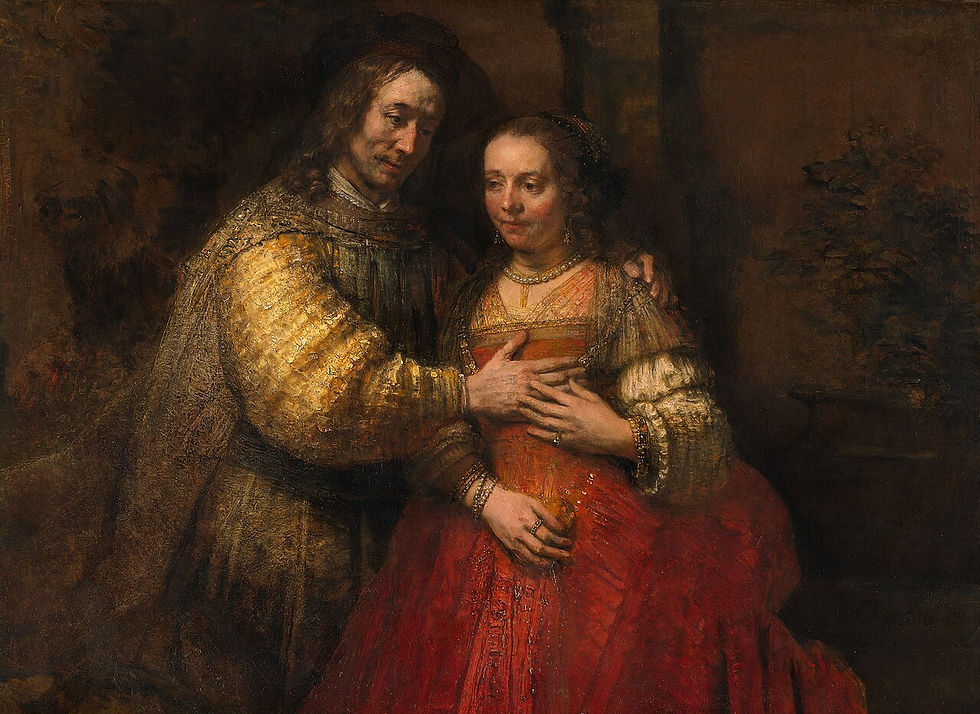
Nevertheless, a silent revolution among artists has begun. They are returning to craftsmanship and skills. The new generation again wants the alchemy of the old masters, in particular, the painstaking craft of pigments, the superposition of oils, and the acquisition of that glow within (which we call luminosity).
Ultra-contemporary artists are rediscovering that the artisan techniques employed in the finest paintings of all time, or Old Master portraits, be it Impasto by Rembrandt or Sfumato by Da Vinci, can give a richness that digital filters and acrylic paint guns cannot reproduce.
Through these approaches, artists are not simply imitating, but they are participating in a slow movement of recognition, change, and learning inspired by old masters. The brute work that goes into the creation of art in the modern Renaissance art world is a protest against the transient.
Know more here - Art Vocabulary | 10 Italian Art Terms You Should Know About
Meeting the Modern Anxiety in the Perennial Perspective

The world is changing at speed; there is no stability, whether it is in technology, climate, politics, or art. Interestingly, the old master portraits are still here and inspiring the modern Renaissance art. Art is old and new at the same time—even in the times of reformation and the emergence of modern science. When a modern artist draws a portrait of someone in a hoodie with the old-fashioned, solemn, somber tones of a 17th-century old master of Europe, he or she is connecting the two worlds. They cast the weight of the past to authenticate the fears of the present. With a contemporary subject set into the visual context of an ancient masterpiece, the artist imparts some meaning of history and significance to a modern conflict.
It implies that even though our technology is evolving, our human anxieties, the fear of death, the fear of being forgotten, and the fear of beauty are the same ones that were depicted by the best artists of all time paintings, who lived centuries ago.
Canon Subversion: New Faces in Old Frames
The possibility of subversion, perhaps, is the most effective cause of this obsession. Old master portraits have long been the preserve of the elite, royalty, clergy, and the rich merchant class. Through the application of these historic styles in the present, the ultra-contemporary artists are reclaiming the past to incorporate the initially marginalized ones.
The aura of old masters is still in the air.
Artists today reimagine marginalized communities, diverse bodies, and subcultures—framing them through the iconic lens of modern Renaissance art.
It is an effective way of visual justice. By painting a colorful, heterogeneous subject in the same reverence and precision as a Renaissance old master's painting, an artist of the modern age is rewriting the history of art in real time. They are saying, "This man is fit to be painted in oil and gold."
Art History: Continuity and Relevance

Aesthetically speaking, the pull is towards the best artists of all time's paintings. People still love to have a look at the Mona Lisa or a painting by Johannes Vermeer. The classics are naturally appealing because they are our history, and as people say, history always repeats itself. Hence, these older master portraits are always a subject of fascination.
Although there exists a shift in the market towards the new figurative art in the "ultra-contemporary" market.
A collector is no longer favoring the chilly demeanor of minimalism anymore; they are returning to the warmth of the human body. The modern Renaissance art fits into this niche. It provides the viewer with something familiar and beautiful and gives the artist the chance to conceal some complicated and modern messages behind those layers of familiar paint.
Why the Old Masters Still Matter?
Eventually, the attraction to the old master is not regarding its being old-fashioned but rather its being a classic. It is regarding the fact that the history of art is ongoing. Drawing on that string, the contemporary artists acquire a set of instruments of feelings and methods that have been perfected in the course of five hundred years.
The alchemy, anxiety, and art history that we encounter in galleries nowadays serve as a reminder of the fact that the past is not dead; it is a resource.
Be it the spooky stare of the old master portraits or the architectural splendor of a Baroque sky, the classics give new art the gravitas that it requires so that it does not drift away into the entirely digital.
Conclusion
In the future of the art world, it is evident that the "Old Masters" will remain the North Star to many. Combining the methods of the Renaissance old masters' paintings with the pressing issues of the present, the ultra-contemporary artists are making a new hybrid of art that is technically excellent, emotionally expressive, and history-related.
Ultimately, old master portraits are important since they help us to remember that we are humans. In a world that is increasingly becoming divided, reading a modern renaissance artwork makes us feel we are in a long, beautiful, and complex tale of creation.