_PNG.png)
Why Are Climate Conversations Entering the Art World?

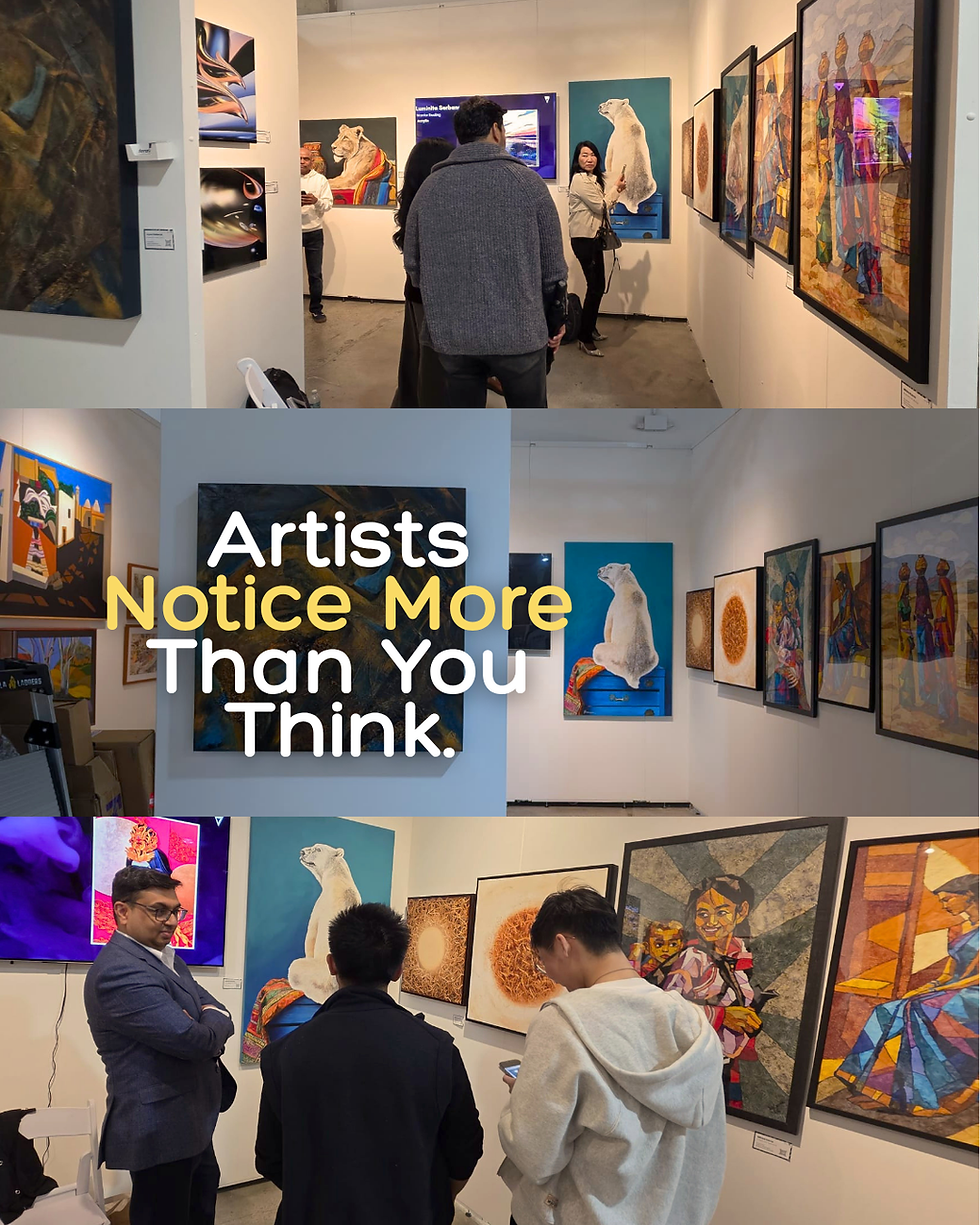
Artists are very familiar with the fact that nature is both a muse and a resource to be pulled from. The best artists know how to do this respectfully. Art has always relied on natural, often exploited resources. What’s changing now is awareness and accountability.
As modern conversations about ethical and ecological approaches to using resources arise in the art world, it’s topical to look back at instances where these natural resources weren’t used ethically.
Indian Yellow is a striking shade of yellow – a rich, lemon yellow with a depth to it that is almost unparalleled. The means of obtaining this pigment, though, leave much to be desired. The color is extracted by feeding cows a strict regimen of mango leaves and using their urine. This practice caused malnutrition and is one of many examples of cruelty in the name of obtaining resources. What is a beautiful and vivid color, holds a dark backstory based on animal exploitation.
Another example of a pigment where questions of ethicality arise is Mummy Brown. Mummy brown is a pigment that is derived quite literally from human remains – to be specific, ground Egyptian mummies. It was popular in the 18th and 19th centuries in Europe. Art-lovers reading this may have walked under the expansive painting that is The Raft of the Medusa, not knowing that the work used this pigment made from human remains. The European colonizer force that farmed the pyramids in Egypt for resources is tied to the violence inherent in mining resources in an imperialist structure. The commodification of human remains is something that is directly linked with capitalism, and the devaluation of human lives in exchange for the labor and resources they can provide.
A more deadly instance of pigments is that of Arsenic or Paris Green. This pigment was used in paints, wallpaper, clothing, and even toys. As the name suggests, it contained arsenic, and exposure to it was toxic, often fatal. It was widespread in Victorian homes. Arsenic green shows that aesthetic trends can often ignore human health and environmental toxicity.
Even today, some of the most prized red pigments come from crushed insects. This brings up questions of what forms of extraction we still accept in the name of beauty. Cochineal, also known as Carmine (the “beetle red”), is derived from crushed cochineal insects. It’s often used in paintings, textiles, cosmetics, and even food. Unlike Indian Yellow, which is a clear case of animal abuse, or Arsenic Green, which is clearly toxic, Cochineal poses less of a problem, as it's both “natural” and still in use. Cochineal was a major export in colonial Latin America, controlled and exploited by the European empires. It was so highly sought after that it could rival silver.
All of these examples are tied together: be it colonial trade networks, the march of industrialization, or simply a lack of regulation, art was embedded in systems of extraction and exploitation. Art history isn’t just a history of images; it’s a history of supply chains.
Currently, the climate crisis is forcing artists to grapple with transparency. Artists are asking questions like: Where do materials come from? Who or what is impacted? These are integral discussions to be having.
Agnes Denes is a contemporary artist whose work revolves around ecological questions. Her piece, Wheatfield – A Confrontation, used urban land worth $4.5 billion to grow wheat. The harvested grain traveled to twenty-eight cities around the world. The land purchased was also across from the World Trade Center. This piece brings up questions of land use, consumption, and value.
Otobong Nkanga explores extraction, land, and resource politics, specifically focusing on the relationship between Africa and the Western world. She directly addresses colonial histories of materials in pieces like In Pursuit of Bling: The Transformation. Nkanga circles back to themes like “glimmer” and “shine,” using these as imagery to discuss mica, a mineral that is used in makeup.
Through all of this, it’s clear to see that the contemporary discussion around resources in art is much healthier, though there is still always space to improve. As we begin to comprehend how important the Earth is to us, we also begin to understand how to better use its resources. The same earth that once supplied art unquestioningly is now asking us to reconsider the cost.