_PNG.png)
Fashion and Culture: The Hidden Story Behind What You Wear

Updated: Jul 21
We dress to be useful, to be functional, and to be like everyone else, because we know that we'll have to take it off again later—but is it just that?. We slip on a pair of jeans, put on a shirt, or tie up sneakers. But when we look in the mirror, we are seeing more than just clothing. We are looking at a manifesto.
Our clothes are our most personal means of expression. It is our "second skin," a speech before we speak. Whether it is the flowing robes of a Chinese emperor or the torn jeans of a punk rocker, clothing is a means of expression, a product of culture, and a time capsule of history.
Fashion and culture go hand in hand; it is now a language of personal style and identity. In this blog, we will explore how clothing has become a medium for storytelling and identity, reflecting culture and history, and fashion as self-expression.

I. Cultural Significance of Clothing: Roots and Heritage
In order to discover the story behind the garment, we need to look back. Before the rise of globalized fast fashion, clothes were the way humans indicated their tribe, class, culture, and identity. This is one of the reasons why it is said that ‘What You Wear Speaks Before You Do.’
In the Scottish Highlands, tartan was never a design. It was a geographical expression of family. The pattern and color of a kilt were a code to a stranger, telling them where you were from and to which family you belonged. Wearing the tartan was to wear your family crest—literally.
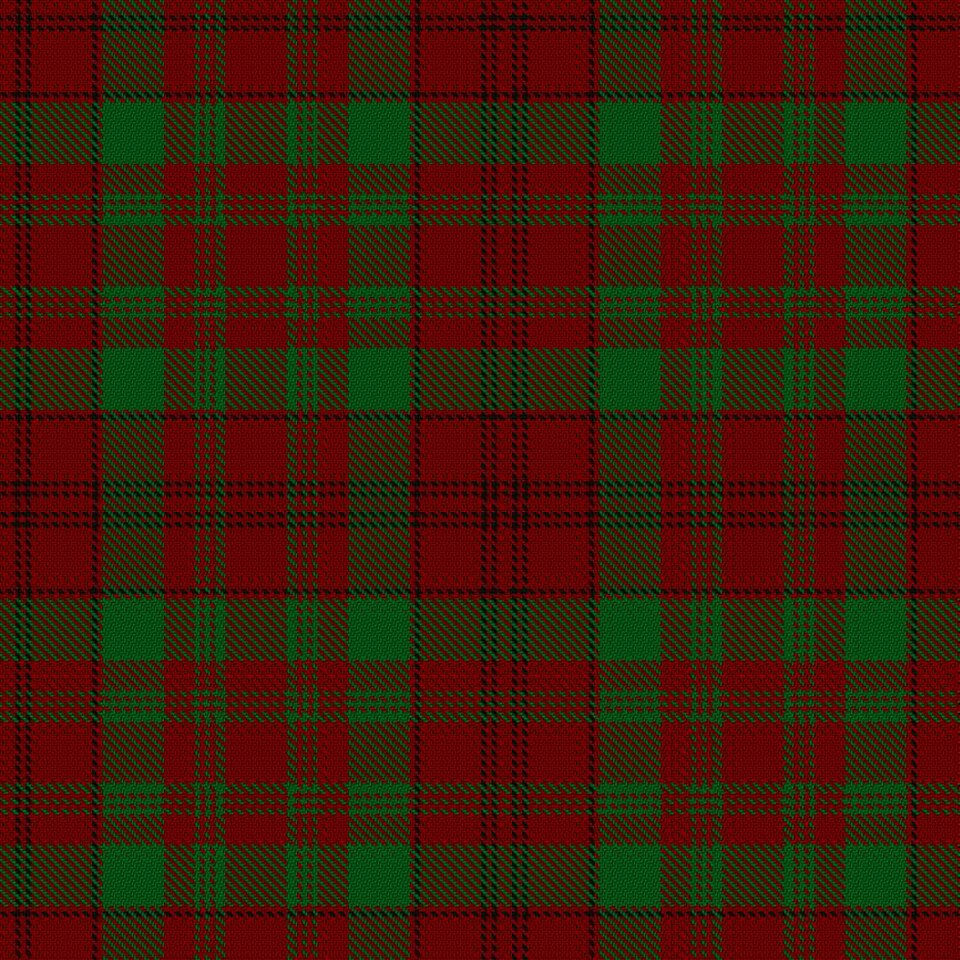
Or, take the Kente cloth of Ghana's Ashanti people. Each pattern and arrangement of colors on a strip of Kente translates into a word. Black is for spiritual death and rebirth; blue is for peace and harmony; green is for planting and harvesting. So, when a person wears a Kente stole, they are not only wearing an aesthetic object, but they are also saying a prayer, telling a story, and communicating their status in society.

In such instances, clothes are a cultural constant, and fashion and culture become one. It forestalls the "death" of culture. Still today, when a bride in India wears a red sari on her wedding day or a young graduate in Mexico dons a huipil, with these cultural dress traditions, they are engaging in a conversation across generations, which time cannot erase.

II. The Shape of Things to Come: Fashion Reflects History
While history books may recount events, fashion is a reflection of the emotions of the time. The changing shape of the textile heritage is a physical manifestation of the ever-changing political, economic, and social circumstances.
For example, the corset. It symbolized the constrictions and limitations on women's roles in society for hundreds of years: an edifice built to shape the female form to an idealized, stifling ideal. But the change in the early 20th century to the "flapper" look of the 1920s was more than a fashion statement. The lowered waistlines and shorter skirts were the embodiment of the Suffragettes. Women were literally breaking free of their cages and were free to dance, do business, and vote.

Indeed, today fashion symbolism has changed entirely; now women dress according to their wardrobe and self-image.
Our clothes reflect economic times as well. In the 1920s, there was this theory of the "Hemline Index," which stated that hemlines (the lowest finished edge of a garment) follow the stock market. When the stock market is up, hemlines are up; when it's down, they're down. While the equation might not always be accurate, the idea is that we dress to show that we're optimistic or pessimistic.

Even the blue jean, possibly the world's most popular garment, is a tale of the American dream. Once the strong working man's garment of miners and laborers during the Gold Rush, denim became a symbol of teenage rebellion in the 1950s, an outlet for hippie counter-culture in the 1960s, and finally a fashion statement, a symbol of ethnic fashion and identity. Wearing denim is to partake in a 150-year narrative of hard work, struggle, and ultimately democratization.
III. The Wardrobe of the Mind: Persona
Fashion and culture, along with history, may set the stage, but it is personal expression that makes the story personal. That's why clothing as a form of expression is a movement now, a trend that the new generation admires and reflects through. Clothes are a way for us to reconcile the difference between our actual selves and our ideal selves.
The phenomenon of how clothes impact our psychological functioning has been coined "enclothed cognition." For example, in one study, participants' memory and attention span improved when they wore a white lab coat they thought belonged to a physician. We not only "wear" clothes, but we also assume their characteristics. Fashion and cultural identity are now interwoven; roles are defined by it. Dress and identity in society are subject to pre-assumed judgments.
The Power Suit: The structured lines and broad shoulders of a suit are like a suit of armor. It makes us feel (and become) more powerful, both in the eyes of others and to ourselves. Fashion and identity are about status as well.

The Vintage Find: Wearing a 70's leather jacket or a 50's dress is an example of "curated nostalgia." It enables an individual to identify with a style or ethos of another era, of which they feel a part. Fashion history and culture are now themes for many parties.
The Subcultural Uniform: Fashion and Social Identity: We wear Goth, streetwear, and more to find our "tribe." We use a particular aesthetic to express our musical, political, and social identity. It's a shorthand for connection.
With every garment we wear, we are "self-editing." We are choosing what part of ourselves to emphasize that day. The career person? The rebel? The caregiver? The artist? Our closets are where we dress for all of our roles.
The Cinematic Canvas: From Screen to Self
Our narratives about fashion are often reflected in epic, cinematic stories as well, where a costume can symbolize an entire culture and identity. From the richly embellished, confectionery pastels in Bridgerton that demonstrate class and seductive intent to the edgy, punk-rock deconstructed garments in Cruella that scream a defiant message. These filmic decisions are a testament to the fact that clothing is never "only clothes"; it is a script we present to the world, a canvas on which we express a concealed meaning.
This interplay of costume, character, and culture ultimately raises the question: Is this level of craftsmanship merely a trend, or is it a legitimate form of high art?
From the "cerulean" monologue in The Devil Wears Prada to the avant-garde designs on the catwalks of today, it is obvious that fashion is just as complex and nuanced as a work of art in a museum.
IV. Wearing Politics: The Politics of the Thread
Fashion as self-expression is beyond form; clothing has sometimes also been used as a weapon of political action. If you can't say it, display it.
Think of the Black Panthers in the 60s. Their black jackets, blue shirts, and black berets were a deliberate attempt to convey authority and strength and to avoid "shabby" labels that were commonly put upon activists. It was a visual reaffirmation.
In the recent past, the "Pink Pussyhat" or the white suits of female politicians have used materials and colors to create a visual mass. In these scenarios, clothes are no longer an individual expression and become a group shout. This is pure fashion as art, art of becoming one, of fighting something with positivity and colors, of saying something with authority and right, not violently.

Even sustainable fashion is a 21st-century form of storytelling. In the age of "throwaway fashion," wearing patched, second-hand, or fairly produced garments is a statement against consumerism.
It proclaims:
"My soul is not for sale, and neither is my conscience."
It makes the wearer an environmental activist and demonstrates the possibility of 'wearing our conscience.' This is the epitome of how youth have handled fashion and culture with love and openness.

V. Next Generation of the Story: Virtual and Augmented
Why What We Wear Is Never Just About Fashion?
In the mid 2020s, the way we tell stories is changing. We are witnessing the emergence of digital fashion—garments that only exist in AR or on Instagram. This may seem to be an erosion of "mass," but it is in fact the ultimate expression of freedom. Digitally, you can wear things that defy gravity, money, and physics. You can be fire; you can be clouds; you can be an alternate history.
But even in the digital age, the attraction to the story remains. We still hold onto the woolly jumper that smells of Grandpa. We still have the t-shirt from the life-changing concert. These become "soft" monuments—tangible reminders of our special memories.

Conclusion: Life is a Work in Progress
Clothing and culture is the most democratic form of art. Not everyone paints, writes poetry, or plays music, but everyone dresses. Each day, you are handed a blank canvas and an array of textures.
From the hand-me-down to the designer label, from the uniform to the wardrobe—you are part of a massive, international project. You are paying homage to your forebears, part of your generation, and expressing your individuality.
So, the next time you look in the closet, don't just look for a garment to wear. Look for something that speaks to your fashion and identity. Look for the link to your past and the outline to your future. For you are not just dressing—you are telling a story.