_PNG.png)
Natural Color Palette: Exploring the Influence of Nature’s Palette on Artistic Expression

Updated: Jul 17
Since humans have been roaming the earth, we have stared into the horizon and have desired to project its expansiveness onto a surface. The natural world has been the supreme inspiration, whether it is the charcoal drawings on the wet walls of Lascaux or the bright and digital scenery of the 21st century.
The power of nature on art is much deeper than just copying it or similitude. It is a relationship defined based on the things we feel, the light that we see, and the existential weight of our own position in the ecosystem. Nature is our natural color palette, the artist’s biggest inspiration, and a force that keeps us humans creative.
By "Nature’s Palette," we are talking of the physical rocks of the earth, the physics of the atmosphere of the sky, and of the biological formula that determines the way we perceive beauty.
The Alchemy of the Earth: Pigment as Geography

In the modern day, we perceive color as something abstract, the hex code on a screen, or the tube of paint from a painting store. But, in the entire history of art, color was a tangible expression of geography to the vast majority.
The natural color palette was a trade and geology map in the Renaissance. The deep, rosy reds and yellows of the Titian or the Rembrandt were made out of the iron oxides of the soil--ochres, siennas, umbers. The literal weight of the ground was supported in these colors.
The ultra blue of the robes of the Virgin Mary, perhaps most infamously of all, was created by the use of Lapis Lazuli, which is a semi-precious stone that was mined almost exclusively in the Afghan mountains.
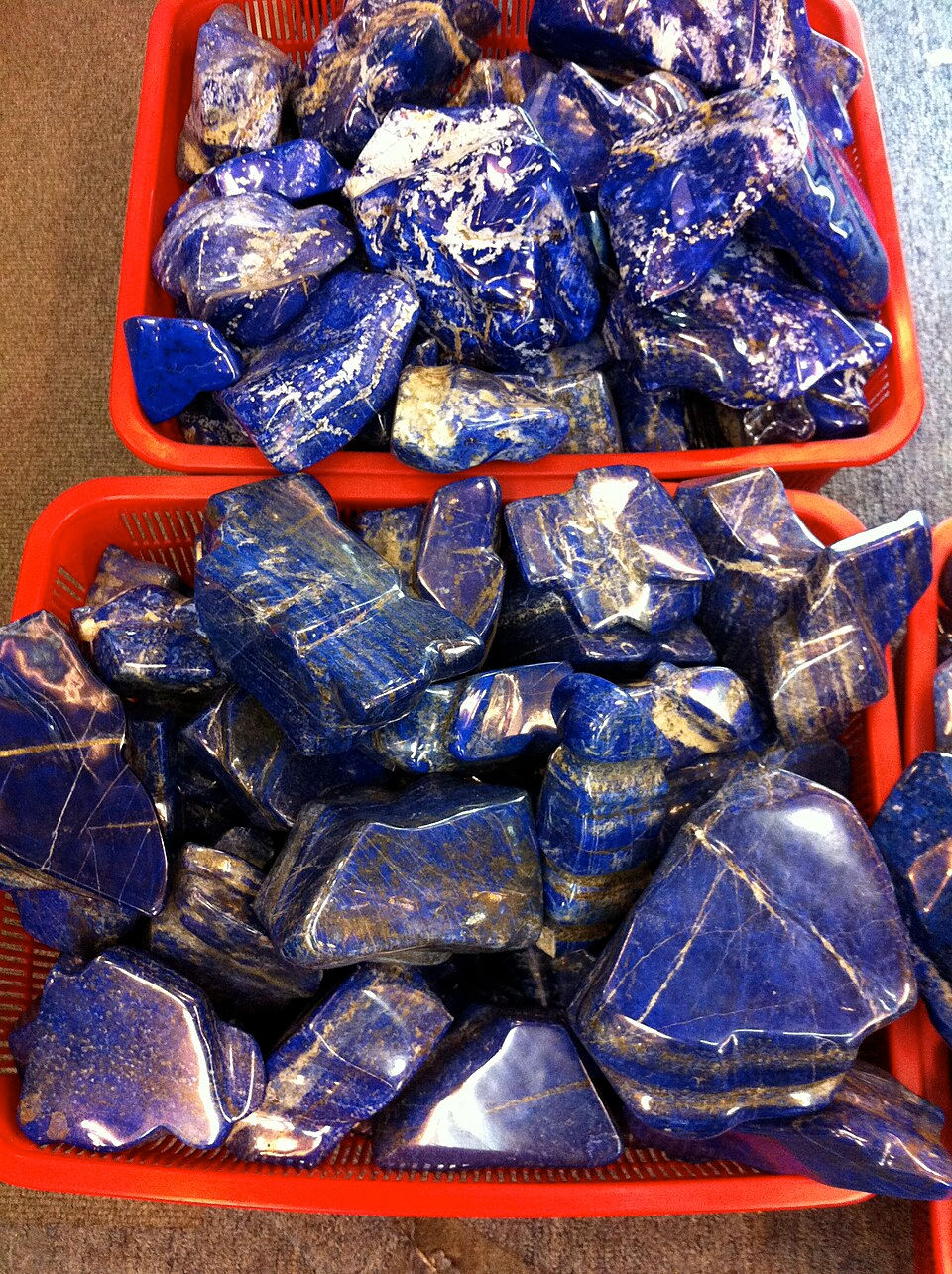
Since nature determined the accessibility of these colors, it also determined the religious and financial worth of the art. A painting that employed ultramarine heavily was not only beautiful but also a demonstration of the association of the artist (or patron) with the most expensive elements of the natural world. During this period, it was nature that opened the door of artistic possibility for every artist.
The Architecture of Light: Studio through Sky
The influence of nature on art was centuries long, something that artists dragged into the studio. They used to sketch in the open air and paint in regulated conditions, but usually by means of a general light, theatrical rather than natural. This was altered when the portable paint tube was invented in the middle of the 19th century, and the artists were able to leave the shadows and enter the sun.
The Impressionism movement was, in its essence, a scientific enquiry into the nature of physics. Claude Monet did not depict the haystacks or the cathedrals; he depicted the air between the observer and the subject. He was aware of the fact that nature does not keep still. A tree is not green; it is a trembling structure of yellow emphases, blue shades, and grey clouds, shifting every minute.
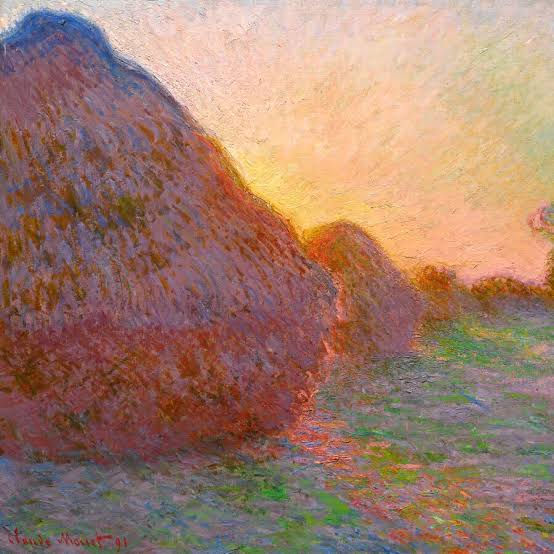
This decentralization of the object changed the view of art to how we see rather than what we see. Artists such as Monet and Camille Pissarro led to abstraction by seeing how the natural light changes and dissolves solid forms. That nature itself could cause a mountain to appear like a purple smudge at twilight; it was within the permission of the artist to do the same. Nature had to educate the artist that reality is not a rigid position, but a dynamic, active interplay of light and time.
Biomimicry: Sacred Geometry of Life
In addition to color and light, nature offers the structural logic of artistic expression. Human aesthetics are entrenched in Biomimicry, the imitation of natural models, systems, and elements.
The concept of the Orange Ratio or the Fibonacci sequence, the mathematical patterns that can be found in nature, everywhere, has always fascinated artists, such as the spiral of a nautilus shell, or the pattern of petals on a rose. We perceive these patterns as beautiful instinctively, as these patterns are similar to our own biological designs.
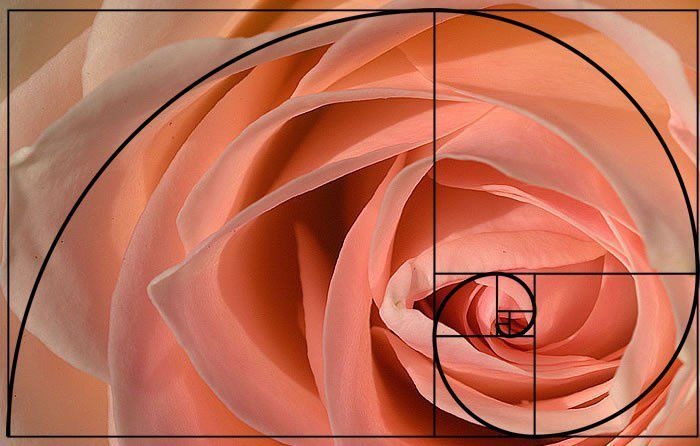
This developed into Biomorphism in the 20th century. Artists such as Barbara Hepworth and Henry Moore shifted the focus of their attention beyond the severe geometry of the industrial era to the organic curve. Their architecture resembles the statue of rocks worn down by a stream or the bones that have dried out in the sun. They realized that the forms of nature have a certain emotional appeal, which the square cannot have. Nature’s palette, in this case, is the palette of shapes—the action of the sculptor becomes an extension of the eroding action of wind and water.
The Existential Weight: Art in the Age of the Algorithmic Routine

We are presented with a new problem in the relationship with nature today. We are living in an epoch of artificial images and computerized patterns, when nature can be recreated by a computer into an absolutely perfect image. An algorithm is capable of producing a mountain range that is indistinguishable from a photograph and yet lacks the real world of existence.
It is the difference in the action. The friction of reality gives the "P" (Painting) the weight, as we have discussed. When an artist is painting nature, he or she is dealing with a living and unfriendly medium. The paint sets too quickly in the sun; the wind blows sand on the varnish; the light alters before the brush has been put in the paint.
This Digital Material Resistance cannot be copied digitally. Numerous modern artists are going this way and making nature a part of the process. Land artists such as Andy Goldsworthy make their artworks out of ice, leaves, and mud, as he is aware that the piece would be claimed back by the tide or the wind. In this case, nature is not merely the object any longer—it is the partner. Not the object that remains, but the human act of organizing the natural world, even temporarily, is an art.
Conclusion: The Return to the Source
The effect of nature on art is a reverse process. We start with nature to signify our world, then we proceed to use nature to know our vision, and ultimately, we understand that we are nature and we are expressing it.
The Palette of Nature is not a fixed combination of colors. It is a living system of light, geometry, and material. It is either the deliberate slowdown of a landscape artist or the ritualistic setting of a land artist, but it is the natural world alone that can reflect the weight of art. In a world that seems to be becoming more and more synthetic, the act of gazing upon a tree, experiencing the grit of the earth, and trying to put that on the canvas is a radical act of being human.
Nature is not only the supplier of the paint; it is the reason to paint.