_PNG.png)
The Art World Has Always Loved Popular Culture

When did pop culture become high art?
Well, art has always been a mirror of its time — rooted in the moment it's created, so the intersection of pop culture and art is hardly new. Decades ago, Andy Warhol transformed Marilyn Monroe and a humble soup can into cultural icons, while Roy Lichtenstein elevated comic-book aesthetics to gallery walls, turning the ordinary into extraordinary.
It only makes sense that today's artists borrow from pop songs, internet culture, blockbuster films, celebrity culture, fashion, and even merchandise. In many ways, merch might just be one of the clearest examples of pop culture's influence on contemporary art, especially in an era shaped by social media.
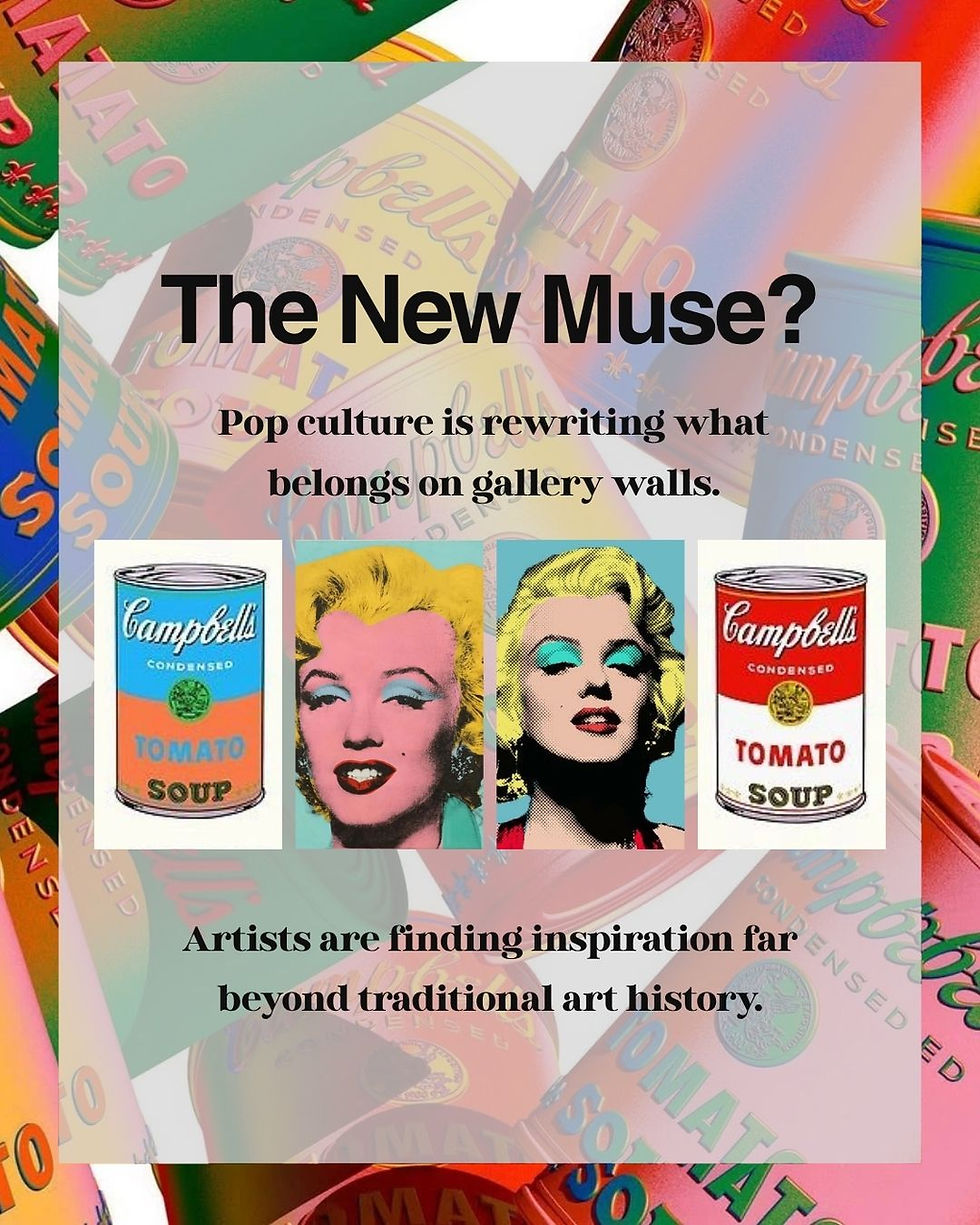
Where Warhol and Roy Lichtenstein once drew from advertisements, mass-produced goods, and comic books, today's artists swim in fan art, Reddit-to-film adaptations, meme culture, and meta references. The vocabulary has evolved, but the mission remains the same: capture what the culture is obsessed with right now.
Galleries and collectors aren't chasing pop art for aesthetics or nostalgia anymore — they're hunting for historical records. Art influenced by pop culture serves as a cultural timestamp — recording who and what captured society's imagination at a particular moment. Yet Pop Art was once dismissed as superficial, anti-intellectual, and overly commercial. What critics often overlooked was its ability to satirize the very culture it borrowed from. Claes Oldenburg's oversized everyday objects, for instance, transformed familiar products into witty provocations about consumption and value.
Ultimately, pop culture doesn't dilute contemporary art; it democratizes it, proving that the boundary between high culture and everyday life has permanently dissolved.
After all, today's meme may become tomorrow's masterpiece.