_PNG.png)
Why are New Collectors Falling in Love with Limited Edition Lithographs in 2026

Updated: Jul 27

“Growing interest in collectible art prints and limited-edition artwork is driving the Limited-Edition Lithograph Market. Market expansion from 1.5 billion in 2025 to 5.7 billion by 2033 reflects rising investment in art collectibles.’’
Something very interesting is happening in the art world. Not so long ago, lithographs were often overlooked by art collectors and enthusiasts. But now the craze for collecting limited-edition lithograph prints has gone up like anything.
The facts and figures look encouraging. What was valued at 1.5 billion in 2025 is likely to touch a 5.7 billion mark within the next eight years. Clearly, collectors see something special here. But what exactly makes a lithograph worth collecting, and why is interest growing so fast?
For centuries, art collection was dominated by procuring original paintings by renowned artists. Though the demand is still high, a growing number of first-time buyers are opting for affordable art prints, which have artistic prestige. The fascinating techniques of lithography can produce results like detailed pieces of Eugene Delacroix or Théodore Géricault. Isn’t that inspiring?
These art prints are produced in limited quantities, often signed and numbered by artists.
Along with traditional lithographs, vintage chromolithograph posters, and modern signed editions are becoming the perfect gateway pieces for contemporary collectors. They are rediscovering the significance of lithography so that they can buy aesthetic works without draining their wallets.
But there’s more to this renewed demand; let’s catch up.
What Is a Lithograph?

Let’s start from scratch. Before understanding the reason for the renewal of these prints, we need to understand the basics: What is a lithograph?
A lithograph is a print created through a fascinating process called lithography or stone printing. Instead of carving into a surface, artists draw directly onto a flat limestone block/surface using several greasy materials like lithographic crayons, pencils, or special inks. The stone is then treated with a chemical solution that allows the drawn areas to attract ink while the blank areas hold water and repel it.
Once the original art is prepared, ink is rolled onto the stone, leaving marks on the stone to print later. The design is then transferred onto the paper using a printing press. This process allows artists to create detailed, high-quality prints that look remarkably similar to the original artwork.
This stone printing process was invented in late 18th-century Germany by Alois Senefelder, using the natural repulsion property of oil and water.
How Did Stone Lithography Revolutionize Image Production?
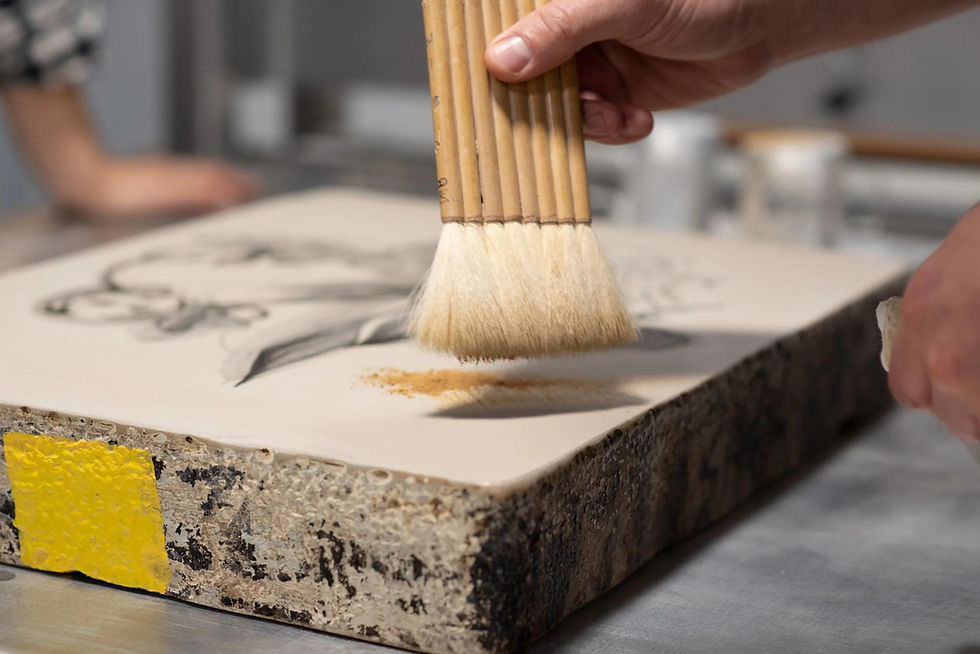
The process of stone lithography was meticulous. Unlike wood engraving or wood printing, this process has revolutionized image production. Here, artists could create subtle and detailed imageries, with shading and fine lines that almost looked like original images.
Contemporary collectors are drawn towards the term litho, lithograph print or lithographic prints produced by the fascinating process already explained. Though multiple numbers of images are printed, every print is unique. It has its own number and authenticity proof. This exclusivity makes these prints more in demand.
Why Lithographs Are Gaining Popularity Again
With the changing buying pattern of collectors and buyers, the interest in lithographs has been revived. Now the art market is explored by young collectors. Often, they look for inexpensive options to buy original paintings. That makes them look for better alternatives. They are enthusiastic, with limited budgets, but can afford something close to original art. For them, limited-edition prints become the entry point to the art marketplaces.
Art investment encourages growth in the industry. As far as litho prints are concerned, limited editions create scarcity, meaning less supply compared to increased demand by collectors. It’s more like understanding the demand and supply.
High-quality reproductions are often more affordable than original artworks, making art more accessible to aspiring collectors. That’s why lithographs continue to attract new takers.
What are the Signature Vibes of Lithographs?

An original lithograph print will have a restricted number of copies, each print carrying a signature and numbering by the artist. This adds to the genuine feel of these prints, along with a sense of exclusivity. If a collector owns a print numbered 10 out of 100 copies, it feels more special than merely owning an unlimited-edition decorative piece.
This authenticity and exclusivity, coupled with affordability, appeal to emerging collectors.
The Appeal of Limited Editions
If you wish to own these limited-edition lithographs, you have to check for a few things:
The visible marks on the prints will help you understand how special the print can be or what its place is within the limited run of productions. The edition numbers like ‘25/50’ mean that it’s the 25th edition. That makes it exclusive.
Historical Lineage of Lithographs Makes Them Attractive to Collectors
Oftentimes, artists themselves supervise the printing process so that every impression reflects their own vision, original colors, textures, and details as in the original paintings.
Pablo Picasso and His Prolific Litho Printmaking
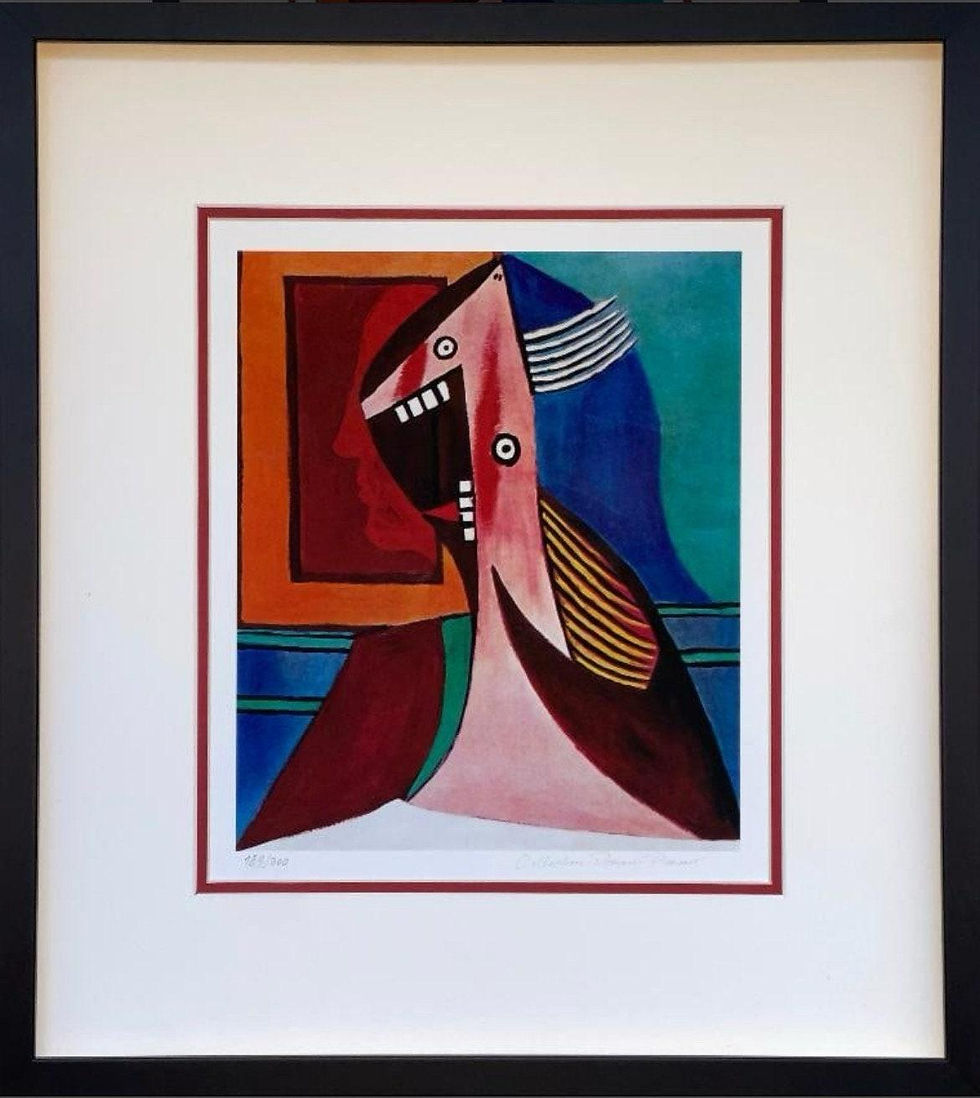
Though Pablo Picasso, the great Cubist, is mostly celebrated for his paintings and sculptures, he had a substantial number of lithograph prints as he experimented with varied techniques of prints and etching. With the help of printmaker Fernand Mourlot, he made more than 400 lithographic prints between 1945 and 1969. Picasso not only mastered the technique of lithography in Mourlot’s atelier; he also started experimenting with the medium.
Picasso’s famous portrait of Dora Maar (1955) was recreated as a lithograph by him. There is a considerable amount of lithograph prints by Picasso available as collectibles, as he produced a good number of them during his lifetime. It shows how a genius like him can curate numerous forms and techniques over a lifetime.
Henri de Toulouse-Lautrec: Transforming Lithographs into Striking Posters

Several reputed artists embraced the medium in the 19th and 20th centuries, experimenting and extending its capacities.
Celebrated for his Modernism, Henri de Toulouse-Lautrec transformed lithography as an introduction to graphic design, creating striking posters and advertisements.
There were artists such as Marc Chagall, Joan Miró, and many others who experimented extensively with lithographic techniques.
Collectors are drawn to a print’s historical lineage and the story behind its creation. Purchasing a lithograph print lets them revive centuries-old traditions.
Artistic Legacy of Chromolithograph and Oleographs: The Color Revolution

With the advancement of printing technology, artists and publishers started reproducing vibrant colors in prints through chromolithograph and oleographs.
The chromolithograph was a multi-color version of lithography. Separate stones assigned for different colors added layers and richness to images. They became accessible fine art collectibles for the masses.
The oleograph was not like lithographs. The vibrant prints were widely circulated, as they looked like expensive oil paintings. The rich textures and colorful appeal often resembled hand-painted works to collectors.
Along with lithographs, demand for vintage chromolithographs and oleographs is rising too.
The Digital Age Has Increased Demand for Limited-Edition Prints
It’s an irony that the digital age has increased the demand for physical prints!
With on-screen art, demand for physical pieces is rising in value. A digital image cannot beat an authentic litho hanging on a wall.
Collectors are increasingly drawn towards artworks they can experience physically. That’s why the interest in traditional printmaking, including stone lithography and contemporary lithography has been renewed.
Moreover, there’s also a rise of digitally authenticated lithograph prints due to NFT and blockchain records, where an artwork’s authenticity is preserved through secure encryption.
What New Collectors Should Look for in Prints
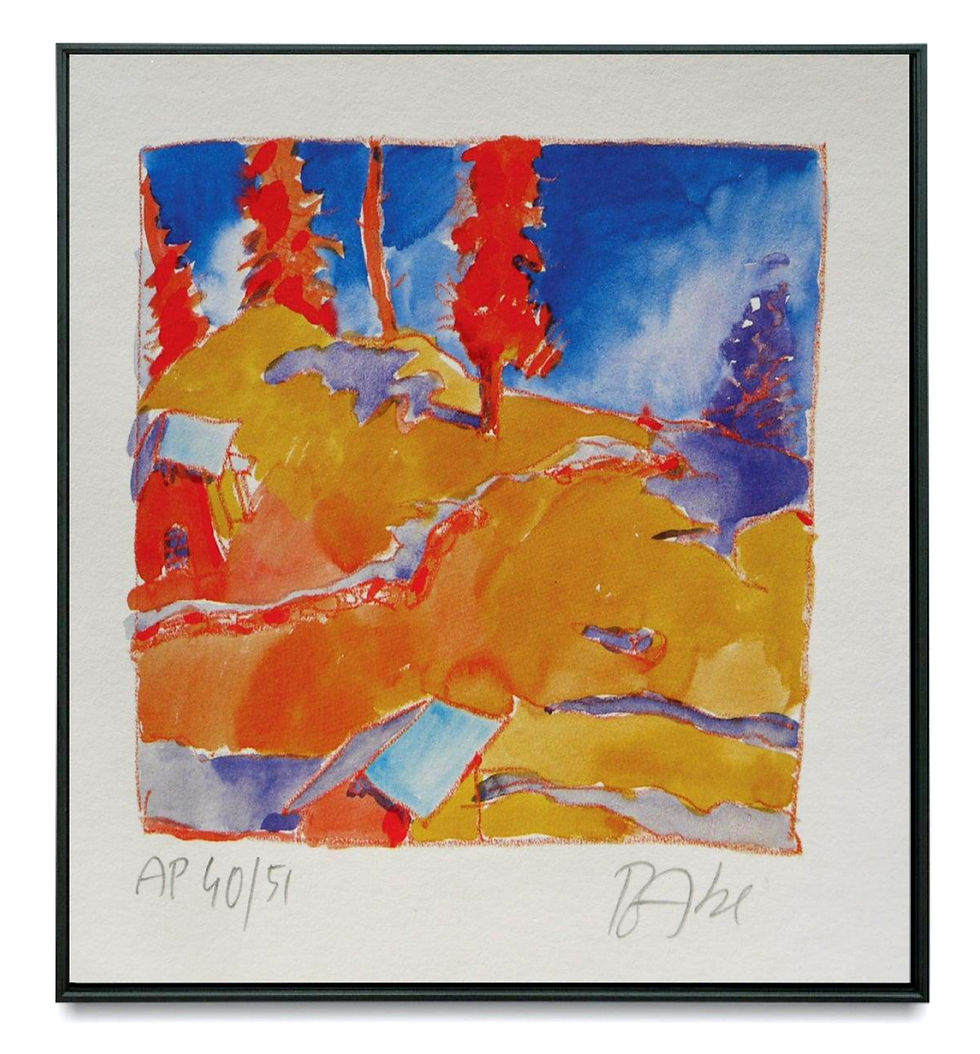
Before purchasing a lithograph for the first time, new collectors must consider how to determine the value of the prints. Here are a few tips:
Smaller Edition Size
The number of productions matters, so smaller size remains more desirable as rarer pieces.
Artist Signature
Signatures hold value as a sign of originality for most collectors.
Sign of Provenance
Documentation of authenticity is required to strengthen its long-term value.
Surveying Print Condition
Prints with tears, discoloration, stains, and restoration issues must be avoided.
Knowledge of Printing Techniques
It always helps to understand the difference between a lithograph, chromolithograph, and an oleograph. Understanding the definition helps collectors to make decisions.
Rising Demand for Lithography: The Market Looks Optimistic

Society’s fascination with celebrity icons existed long before social media dominated our worlds. The late 19th-century or 20th-century audience would seek novelty in lithographs.
The revival shows a shift in the art world towards authentic, collectible art at affordable budgets. It’s more than just owning pieces, but exploring stories and techniques related to artistic journeys.
New collectors value its historical significance and find this a practical way to start a meaningful collection.
Expansion of online art marketplaces and art hubs like Christie’s, Sotheby’s, Bonhams, Phillips, Artnet, Invaluable, Catawiki, Saatchi Art, Artsper, and Artspace boosts the limited-edition lithograph market. They make them accessible through global reach. The dedicated section for ‘Prints & Multiples’ sales helps collectors to acquire pieces at pocket-friendly prices.
That’s how a humble litho has turned from a niche collectible to an entry point for a new generation of collectors, navigating the changing art market.
FAQs: Limited-Edition Lithographs
Q1. What is a lithograph?
A lithograph is a print created through a unique process called lithography, where artists are able to reproduce their artworks, retaining the texture and details.
Q2. Why are lithographs so valued by collectors?
Collectors still prefer to buy limited-edition lithographs, as they are printed in restricted quantities and often signed by the artists themselves. Having authentic signatures of artists makes the editions worthy of resale as fine art prints.
Q3. Are lithographs the same as art posters?
No. Lithographs are not like the mass-produced art posters; they are fine art prints that are created through a specialized process and only printed in limited quantities.
Q4. Why do lithographs have good investment potential for collectors?
For collectors looking for affordable fine art, lithographs make a good investment option. With a signature of an established artist, they become more worthy as collectibles.
Q5. Is it possible to verify the authenticity of a lithograph?
Yes. You have to check the edition number, signature of the artist, and certificates of authenticity by reputable publishers or galleries. While buying lithographs, check on the condition of the prints to ensure that they are still in good shape for collecting.
Q6. How did stone lithography change the concept of image production?
Stone lithography was a meticulous process, retaining finer details and textures, just like in the source painting. Artists could create shading and fine lines, as in the original image.