_PNG.png)
Romanticism in Art and Literature: Why Wuthering Heights Art Still Loved

Updated: Jul 21
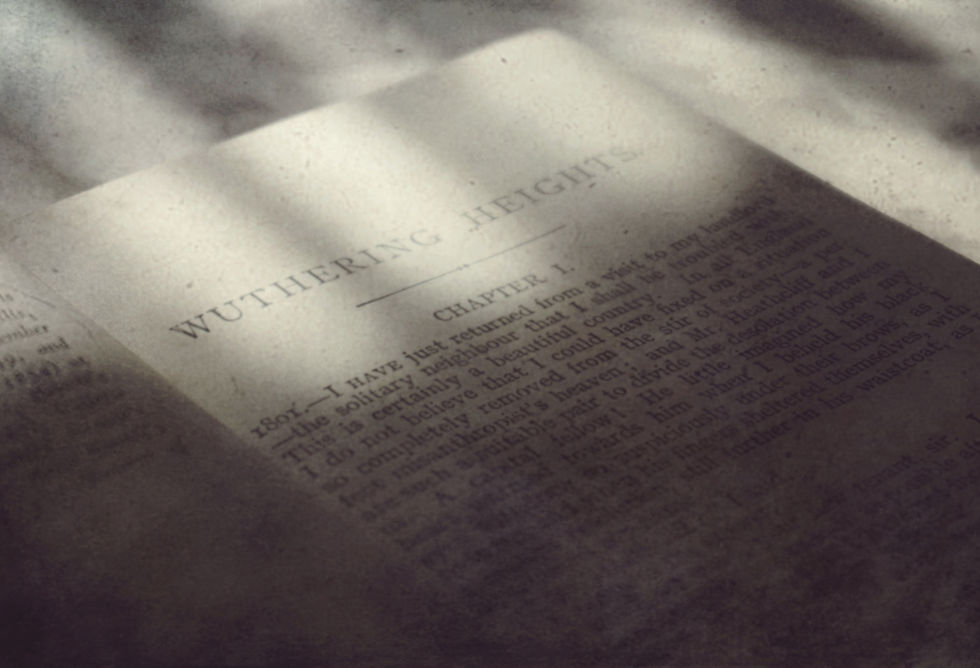
Romanticism was not just a literary movement, but it was also a cultural revolution. It appeared in the late 18th century and rejected the rationalism of the Enlightenment in favor of emotion, imagination, and the sublime. Romanticism glorified nature, individuality, and the strength of human passion. It tried to embody the inexpressible in literature and art, the tempest within the human heart, and the magnificence of the natural universe.
Wuthering Heights is one of the masterpieces of Emily Brontë in a long list of works that represent the ideals of the Romantics. The novel was published in 1847, and it appalled Victorian readers with its crude depiction of love, revenge, and obsession. But in the present times, it still arouses authors, artists, film producers, and musicians. Wuthering Heights art is a timeless force that does not consist solely of the story, but is rooted as much in a representation of Romantic aesthetics as it is in its aesthetic influence on other media.
Romanticism in Art: A Brief Context
Emotion over Reason: Romanticism preferred passion, intuition, and imagination over logic and order.
Nature as Sublime: Artists and writers represented the landscapes as immense, wild, and awe-inspiring, which reflected the feelings of people, which can be seen in the Wuthering Heights illustrations.
Individualism: The movement adored the individual voice of an artist, along with the inner conflicts of characters.
Mystery and the Supernatural: Ghosts, dreams, and the uncanny were frequent occurrences, and the distinction between reality and imagination. The house described in Wuthering Heights is an inspiration for many artists, through which many haunted house drawings are born.
Romanticism in art and paintings has brought us its wild seas, tempestuous seas of Turner, and its dramatic scenes of Delacroix. It gave birth to such works in literature as Byron's poetry, Frankenstein by Shelley, and Wuthering Heights by Bronté.

Wuthering Heights as a Romantic Work
The novel Wuthering Heights by Emily Brontë is Romantic in a number of aspects:
Stirred Up Emotions: The love of Heathcliff and Catherine is not subtle, but all-consuming, devastating, and everlasting.
Nature as Reflection: The Yorkshire moors do not serve as just a scene; they mirror the anger of the lives of the characters.
Mystery and Supernatural: The ghost of Catherine haunts Heathcliff, bringing life and death together.
Individualism: Brontte went against the Victorian traditions, and her characters are not subject to the expectations of society and use pure passion. It shows the passion of individual imagination.
The strength of the novel is that it does not subdue emotion. It is Romanticism in art in the most uncompromising form.
Cross-Connection between Literature and Art

The most interesting thing about Wuthering Heights art is that it is a literary work that extends to the world of visual art. Romanticism has never been limited to a single medium; its themes were freely transferred into poetry, novels, painting, and music.
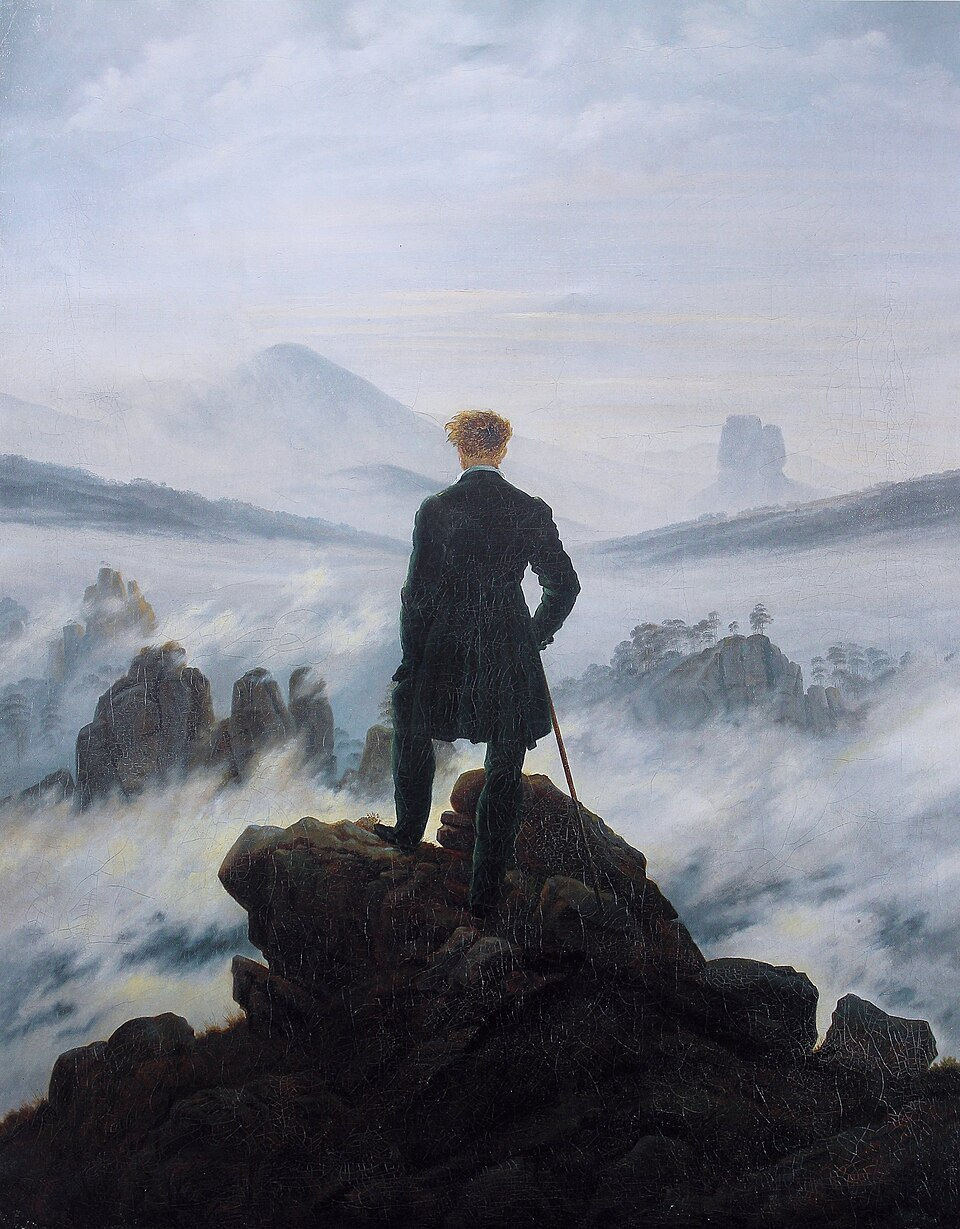
Landscape as Canvas: In the book Wuthering Heights, the moors are wild, untamed, and sublime, and this appears to be a characteristic of the Romantic landscape paintings. Painters such as Caspar David Friedrich depicted figures which were insignificant against skies of towering size and rough landscape, reminiscent of the windswept hills in the novels of the Brontës.
Portraiture and Character: Heathcliff and Catherine have been visualized as ideal Romantic characters in the visual art—intense, somber, and doomed. They are reflected in their similarity in numerous paintings, illustrations, and adaptations. Many Wuthering Heights illustrations showcase the romanticism in art and are loved for their similar representations of the characters.
Symbolism: The same way Romantic painters made use of storms, ruins, and twilight to represent the human struggle, Brontte does the same with weather and setting as a representation of emotional state. The novel is a vision on a canvas.
This text-image interaction demonstrates that Romanticism erased the lines. Wuthering Heights is not merely a piece of literature but an art in the form of narration.
Responses to Wuthering Heights Through Art
Since publication, the novel has been a source of inspiration to artists of all kinds. Wuthering Heights art, the haunted house drawings, have been the topic of many artists’ artworks:
Examples: Earlier versions used dramatic engravings of the moors and haunted characters, as they focused on the Gothic feel. The imagery used in the novel is so graphic that it can be easily reinterpreted artificially through art.
Paintings: Both Romantic and modern painters have been portraying Heathcliff and Catherine, with the couple frequently being located in stormy or barren landscapes.
Cinema and Photography: The visual language of film and photographic adaptation is the dark light and the blowing hills with the wind to portray the artistry of Brontë.
Music: The music of the novel has been inspired by the themes of passion and loss in the novel by classical through to contemporary composers and musicians. The cross-media influence is the pride of Kate Bush across her famous song “The Kick Inside," which clearly shows how Wuthering Heights arts have no bounds.
Why Does Wuthering Heights Continue To Inspire Creators?
Classic Motifs: Love, revenge, obsession, and the battle against the norms of society are timeless.
Visual Power: The scenes and characters in the novel are described in painterly colors, which gives an opportunity to adapt the novel artistically.
Emotional Intensity: Its crude nature is closer to the artist who wants to explore the end of human experience.
Romantic Legacy: Being one of the purest manifestations of Romanticism in art, it is still inspiring people who are attracted by passion and admiration.
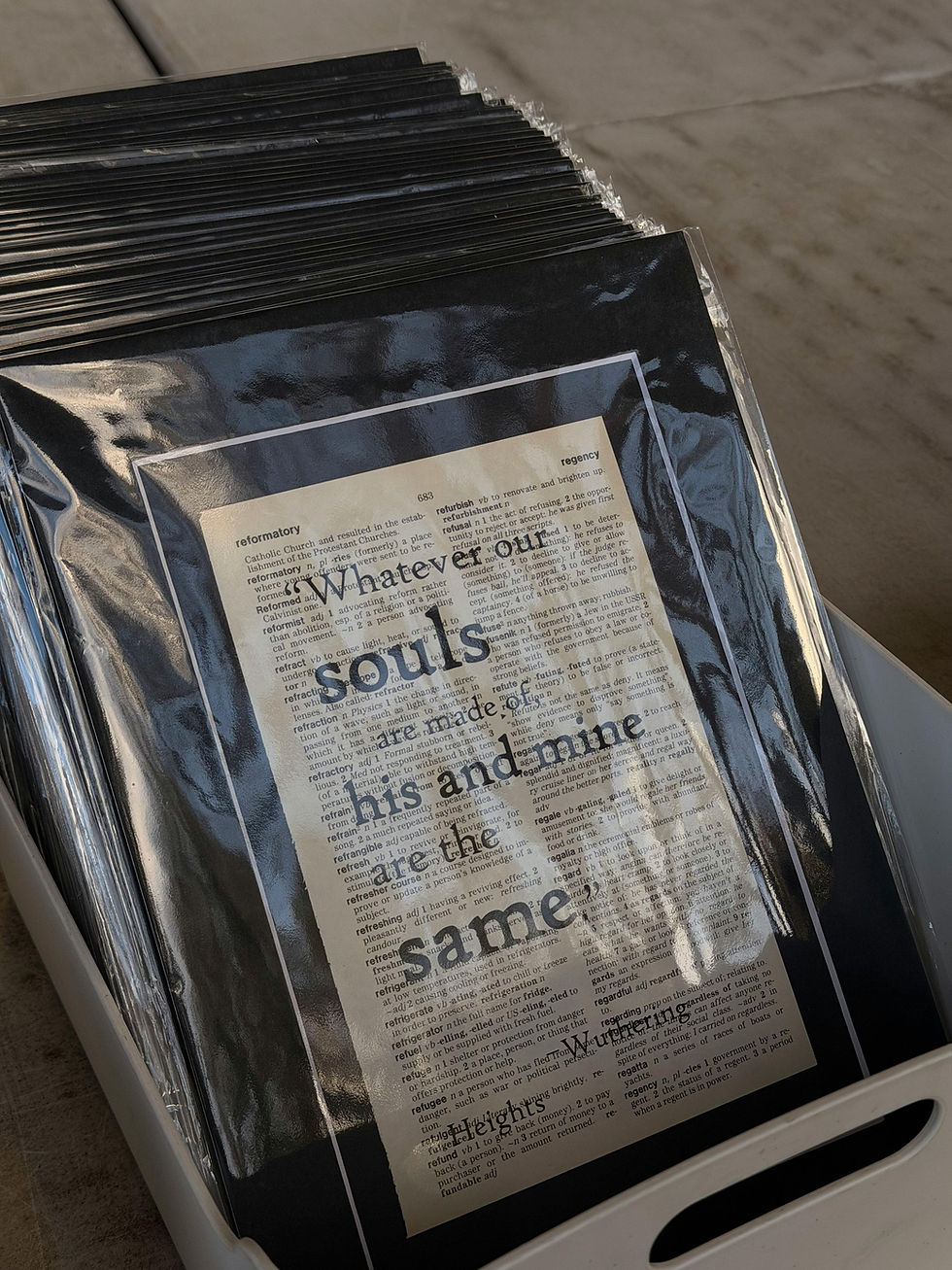
To contemporary artists, Wuthering Heights art provides a blueprint for how to cover emotions.
The Book as Art

It is also worth mentioning that Wuthering Heights art is not just art but also perception of different people on the same writing. It clearly shows how Brontë paints with words:
Color and Texture: The descriptions of the moors create the brushstrokes of a Romantic landscape painting.
Form: The structure of the novel, two generations, and two-sided conflicts reminds one of the stratification of a sophisticated piece of artwork.
Symbolic Imagery: Windows, storms, and ghosts are motifs, similar to recurring symbols of visual art.
It is an experience to read the novel more like in front of a Romantic canvas: overwhelming, haunting, and memorable.
The Long-lasting Impression of Romanticism in Art
Romantic Ideology still influences art and literature in the present day, even outside Wuthering Heights:
Contemporary Art: The subject of identity, nature, and emotion can be traced with the echoes of the Romantics through a variety of artists today.
Literature Romanticism: Its interest in the supernatural and the majestic has a lot to do with the Gothic and fantasy genres.
Popular Culture: Movies, music, and clothing frequently utilize Romantic imagery—stormy clouds, heartbroken love, and haunted scenery.
The passion and imagination that Romanticism in art demands make it applicable at all times in each form of art.
Conclusion
Romanticism in art was a movement that attempted to embody the unspeakable, the tempest of human feeling, the magnificence of nature, and the mystery of life. Wuthering Heights by Emily Brontae has this spirit of literature and art combined into one memorable masterpiece. Its sceneries are reminiscent of romantic paintings; its characters are reminiscent of tragic portraits, and its themes stimulate its creators across all genres.
The novel still rings true even more than 175 years after being published. Artists, writers, and musicians do come back to its pages, not only to read its story but also to appreciate its artistry. Wuthering Heights arts are still loved, and the literary novel is still a Romantic canvas that is painted with words and whose everlasting strength testifies to the fact that essential art, be it on canvas or in prose style, never dies out.